Facing foreclosure on your mobile home can be extremely stressful — mounting bills, mounting pressure from lenders or park management, and the fear of losing your home. If you own a mobile home in Punta Gorda, FL, selling it quickly for cash can be a viable way to avoid foreclosure, protect your credit, and move on with your life.
In this guide, we’ll walk you through exactly how to sell your mobile home fast for cash, even if foreclosure proceedings have already started. You’ll learn what steps to take, what legal considerations to keep in mind, and how to maximize your chances of a quick sale. Let’s get started.
Understanding Foreclosure in Florida — Why Timing Matters
What Is Foreclosure (or Repossession) for Mobile Homes?
Foreclosure typically refers to a lender taking possession of a property when the homeowner fails to keep up with mortgage payments. For mobile or manufactured homes, though, things are more complicated: depending on whether the home is classified as real property (affixed to land) or personal property (on leased land or sitting on wheels), default may result in a foreclosure or a repossession.
- If the mobile home is permanently affixed to land (home + land owned), then foreclosure laws generally apply.
- If the home sits on leased land (in a mobile home park) and is considered personal property, lenders might treat the loan more like a car loan — meaning default could lead to repossession or eviction by the park.
You can find more detailed information about manufactured home foreclosures and repossessions on Nolo’s website. This will help clarify how the process differs for mobile homes depending on their classification.
Understanding which category your home falls under is crucial. It determines whether normal foreclosure procedures apply — and whether you have the legal right to sell before the property is lost.
The Foreclosure Process in Florida — What You Should Know
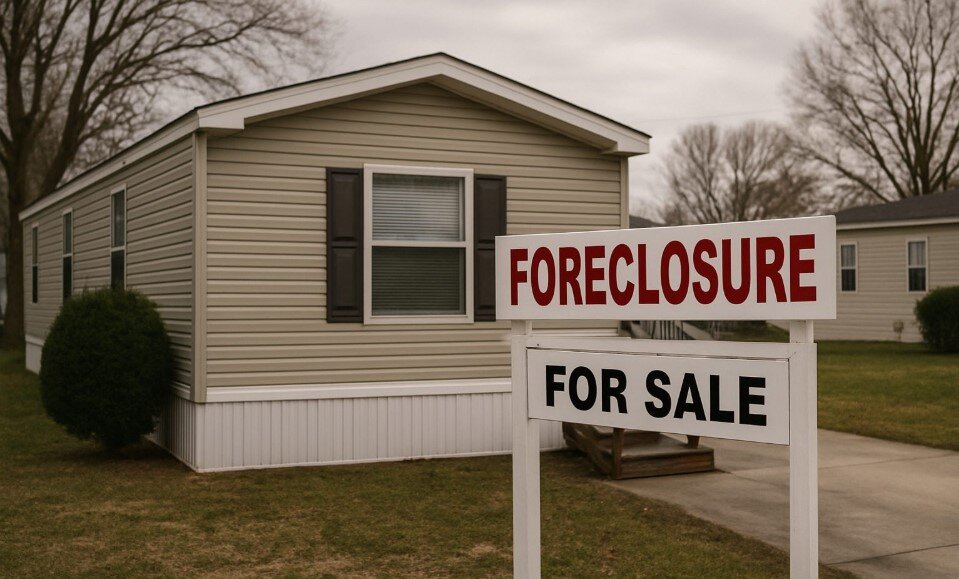
In Florida, foreclosure typically requires a court process. The lender must file a lawsuit, you are notified, and you usually have an opportunity to respond.
Because of this, there is often time between missing payments and losing the home. During that window, you may still legally sell — which makes acting early essential.
Why Selling Fast Is Critical When Facing Foreclosure
- Avoid credit damage: A foreclosure or repossession can seriously damage your credit and limit housing options in the future.
- Preserve whatever equity remains: Even if you’re underwater, selling may recover some value, rather than losing everything.
- Control timing and outcome: Selling lets you decide when and how the sale happens, rather than waiting for a court sale or eviction.
- Reduce stress and uncertainty: Fast cash offers can provide a clear path forward — no waiting, no legal battles, no unknown outcomes.
Benefits of Selling Your Mobile Home for Cash in Punta Gorda, FL
Why a Cash Sale Makes Sense
When you sell to a cash buyer — someone or a company ready to purchase quickly without relying on bank financing — the process tends to be far faster and simpler:
- Cash buyers often close quickly, sometimes in a matter of days or weeks.
- No need for repairs or “staging” — many cash buyers will accept the home “as-is,” even if it needs work.
- Less paperwork and fewer contingencies compared to traditional sales.
- Avoid paying real estate commissions (especially if the home is personal property and agents would need special licensing).
Why Now (2025) Might Be a Good Time to Sell
- The mobile home market in Florida remains active, due to demand for affordable housing.
- Many buyers are seeking affordable alternatives to traditional homes — and mobile homes often fit the bill.
- For sellers in distressed situations (e.g., foreclosure), the combination of a strong buyer pool + cash‑sale demand creates an opportunity to exit quickly without waiting months on the market.
Step‑by‑Step Guide: How to Sell Your Mobile Home Fast in Punta Gorda, FL
Here’s a practical checklist you can follow if you’re ready to sell quickly.
Step 1: Determine Ownership & Legal Status of Your Mobile Home
| What to Check | Why It Matters |
|---|---|
| Is the mobile home affixed to land (deeded) or in a park/leased lot? | Determines whether it is treated as real property (foreclosure + title transfer) or personal property (possible repossession / park lease). |
| Do you have the original title or deed, registration, and any necessary lien information? | You’ll need proper documentation to legally transfer ownership. |
| Are there any park lease restrictions (if in a mobile home park)? | Under the law, park owners cannot unreasonably prevent resale — but often they can require the buyer to meet residency/lease requirements. |
Actions: gather title or deed, registration, lot lease agreement (if applicable), and any paperwork proving ownership and payments. If in a park, review the lease agreement carefully to understand resale restrictions under Chapter 723 of the Florida Statutes.
Step 2: Evaluate Condition & Decide “As‑Is” vs “Repair/Sell”
- Be realistic about your home’s condition. If it’s older or needs repairs, selling “as-is” to a cash buyer may be the fastest option. Many cash buyers expect as-is sales in Florida’s mobile-home market.
- If the home is in decent condition, doing small repairs — fixing leaks, cleaning, tidying up — can make the home more attractive and possibly increase your offer. This is more relevant if you plan to sell to a private buyer instead of a quick-cash buyer.
Step 3: Get a Cash Offer / Contact Cash Buyers
- Reach out to trusted cash buyers or investors who specialize in Florida mobile homes. Many advertise “fast cash” deals.
- Be transparent about foreclosure status. If foreclosure proceedings have started, mention it — some buyers may be open to negotiating with lenders or offering “as-is, quick‑close” deals.
- Compare offers carefully — not just on price, but speed of closing, fees, contingencies (if any), and whether they require repairs.
Step 4: Review Offer, Negotiate, and Prepare for Closing
- Once you receive a cash offer, review all terms: what’s included, who pays what (title transfer, DMV fees, lot‑rent arrears, if any), timeline, and payment method.
- Ensure you get everything in writing — verbal promises aren’t enough, especially during a foreclosure situation.
- If the home sits in a leased-lot park, buyer may need park approval; make sure the buyer meets the park’s tenancy requirements and that lot rent or lease transfer is handled properly. Florida law under Chapter 723 protects your right to sell — but park owners may require reasonable conditions for tenancy transfer.
Step 5: Close the Sale Quickly
- Cash sales can often close within a few days to a few weeks — much faster than traditional sales that depend on financing or bank appraisals.
- Transfer the title (or deed, if applicable) and handle all paperwork at DMV/County Clerk — ensure everything is legally recorded.
- If your mobile home is in a park, ensure you follow park procedures for lease transfer or termination; confirm the new buyer’s approval by park management.
Key Considerations & Legal Pitfalls When Selling a Mobile Home Facing Foreclosure
Ownership Type — Real Property vs. Personal Property
As noted earlier, whether your home is considered real property or personal property has major implications:
- If your home is real property (affixed to land), sale and title transfer are more similar to traditional real estate.
- If personal property (in a park, not affixed), foreclosure may be treated more like a vehicle repossession. That means the park or lender might have different rights — including the possibility of repossession rather than judicial foreclosure.
Knowing this distinction — and where your home stands — is critical before proceeding.
Park/Lease Restrictions & Buyer Approval
If your home is in a mobile home park:
- Under Florida law (Chapter 723), park owners cannot unreasonably prevent you from selling your mobile home. However, the park may require that the buyer meet tenancy/lease requirements or get park approval as a new tenant.
- You can find more information on Florida Statutes Chapter 723, which governs mobile home parks and the regulations surrounding lot rents, tenants’ rights, and more, on the official Florida Statutes website.
Before listing or taking an offer, review your lease agreement, check for “right-of-first-refusal” clauses or other resale restrictions, and be prepared to assist the buyer with the park’s requirements.
Title Transfer & DMV / County Requirements
Unlike a regular house sale, mobile homes in Florida often require:
- The original title or certificate of title (if home is personal property).
- If you plan to convert the mobile home to real property (affix to land), you may need to “retire” the mobile home certificate of title via a recorded deed.
- Proper bill of sale, transfer paperwork, and any required county/DMV filings.
Working with a cash buyer experienced in Florida mobile‑home transactions can simplify this significantly.
Foreclosure Timing & Lender Communication
- In many cases, there is a window of opportunity between you missing payments and the final foreclosure sale — especially in Florida, where judicial foreclosure is required.
- Selling early gives you the best chance. Once the foreclosure sale is scheduled, lenders may be less willing to accept a short sale or offer from a private buyer.
- It may be wise to notify the lender of your intention to sell. Some lenders may prefer a successful sale over foreclosure — because foreclosure can be costly and time-consuming.
What You Can Expect: Timeline & Sale Outcome
Typical Cash Sale Timeline (Facing Foreclosure)
| Step | Timeline (estimate) |
|---|---|
| Contact cash buyers & get offers | 1–7 days |
| Review offer and negotiate terms | 1–3 days |
| Buyer arranges necessary checks (title, park approval if needed) | 1–5 days |
| Paperwork, title/ownership transfer preparation | 1–3 days |
| Final closing & payment | Within a week (from initial offer) |
Overall — in many cases — you could complete the sale in under 2 weeks from first contact to closing. This is significantly faster than traditional real‑estate sales which often take months.
What to Expect in Sale Outcome
- Cash in hand — Cash buyers often pay via cashier’s check or certified funds, so you receive payment quickly.
- No expensive repairs required — Many will buy “as-is,” which removes the need for costly repairs or renovations.
- Avoid foreclosure or eviction — A successful sale before foreclosure saves your credit and allows you to move forward on your own terms.
- Quick exit strategy — If you’re under financial pressure or facing legal proceedings, this can be the fastest, surest way out.
Frequently Asked Questions (FAQs)
Q. Can I sell my mobile home even if foreclosure proceedings have already begun?
Yes. In many cases, you still have time to sell — especially if foreclosure hasn’t reached the final court sale stage. Acting quickly and securing a cash buyer increases your chances of a successful sale.
Q. What if my mobile home is in a park (on leased land) — can I still sell?
Yes — under Florida law (Chapter 723), you generally have the right to sell. Park owners cannot unreasonably prevent resale; however, they can require that the buyer meet occupancy/lease requirements.
Q. Do I need to make repairs before selling?
Not necessarily — many cash buyers accept homes “as-is,” especially if owners are motivated to sell quickly due to foreclosure. That said, minor cleaning or cosmetic fixes may help you get slightly better offers.
Q. How fast can the sale close?
If you work with a motivated cash buyer, the sale can often close in a few days to a couple of weeks — much faster than traditional sale processes that involve financing or bank approval.
Q. What about fees, commissions, or other costs?
Because cash buyers often deal directly with sellers, you may avoid paying real estate agent commissions — especially if your home is personal property (since selling a non-deeded mobile home doesn’t require a traditional real estate license in many cases under Florida law). Be sure to confirm with the buyer which fees, if any, you’re responsible for (title transfer, DMV, lot-rent arrears, etc.).
Pros and Cons: Selling Your Mobile Home vs. Letting Foreclosure Proceed
| Selling Your Mobile Home (Fast / Cash Sale) | Letting Foreclosure / Repossession Proceed |
|---|---|
| ✅ Receive cash and walk away with value | ❗️ Credit score takes a hit / foreclosure on record |
| ✅ Control timing and outcome | ❗️ Loss of home and any equity / possible eviction |
| ✅ No need for major repairs (can sell “as‑is”) | ❗️ Stressful, uncertain legal process |
| ✅ Avoid lengthy foreclosure proceedings | ❗️ Process may take months — unpredictable |
| ✅ No real estate commissions (if cash sale) | ❗️ Legal fees, deficiency judgments, or debt may linger |
Next Steps – What to Do If You’re Ready to Sell
- Gather all documents — title/deed, registration, lot lease agreement (if applicable), payment history.
- Check your home’s classification — is it real property (affixed) or personal property (in park)? This determines your legal path.
- Contact trusted cash buyers or investors with experience in Florida mobile homes. Be upfront about foreclosure.
- Compare offers carefully — not just price, but speed, fees, and contingencies.
- Accept the best offer and prepare for quick closing — aim to close before foreclosure sale date to avoid complications.
Conclusion
If you’re facing foreclosure in Punta Gorda, FL — whether due to missed mortgage payments or lot-rent defaults — selling your mobile home fast for cash through Mobile Home Cash Offer Florida can offer a lifeline. By acting quickly, understanding your legal situation, and working with experienced cash buyers, you can avoid the stress and long-term consequences of foreclosure or repossession.
Remember: timing is critical. The sooner you reach out to Mobile Home Cash Offer Florida, gather your paperwork, and secure an offer, the better your chances of a smooth, quick sale.
Take control of your situation — don’t wait until it’s too late. A fast sale through Mobile Home Cash Offer Florida could save your credit, put cash in your hands, and provide a path forward.